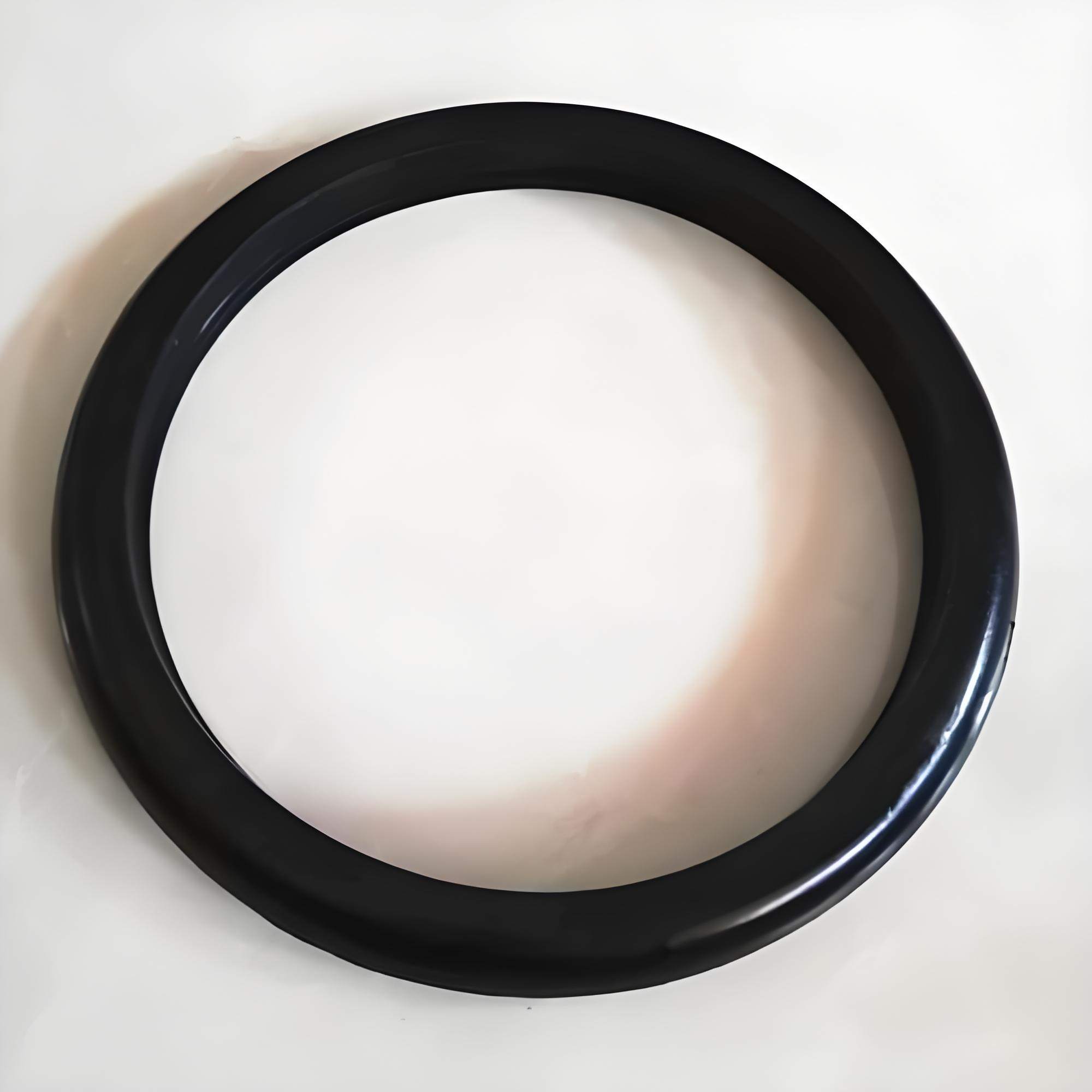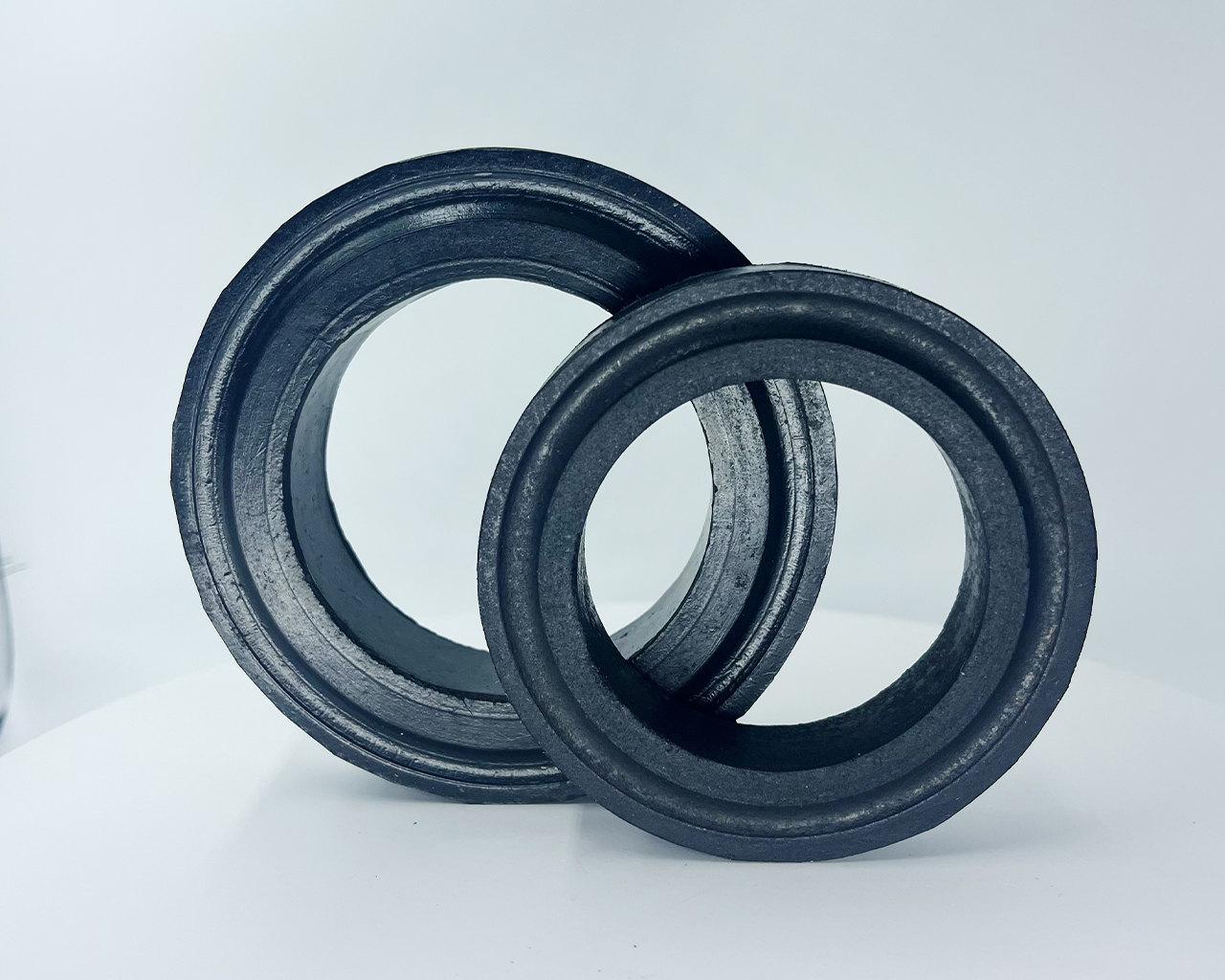
In depth analysis of valve sealing rings: functional identification and application value of core sealing components
In industrial fluid control systems, valves are key equipment for regulating and cutting off media, and their sealing performance directly determines the operational safety and efficiency of the entire system. As one of the core components of valves, although the valve sealing ring is small, it shoulders the responsibility of ensuring "zero leakage" of the system and is an indispensable basic component for maintaining the stability of the process flow.
Core functions and excellent material characteristics
Valve sealing rings are usually precisely installed inside the valve or in specific external structures. Its main function is to form a tight physical barrier at the moment when the valve is closed, completely blocking the flow of the medium and preventing leakage, thereby ensuring that the fluid strictly follows the predetermined process direction and avoiding safety hazards caused by backflow or leakage.
In order to cope with complex and changing industrial conditions, valve sealing rings are usually made of high-performance elastic materials such as rubber. This material selection endows the sealing ring with excellent resilience and adaptability. With excellent heat resistance, corrosion resistance, and wear resistance, this component can maintain a stable physical form and sealing effect even in high temperature, high pressure, highly corrosive media, or frequent opening and closing friction environments, significantly extending the service life of the valve.
Professional analysis: The essential difference between valve sealing rings and flange gaskets
In engineering practice and market communication, people often simply refer to "valve sealing rings" as "flange gaskets" due to their similar functions. Although this confusion is understood in non professional contexts, from a technical perspective, there are essential differences between the two in terms of application scenarios and structural functions:
Different application positioning: Flange gaskets are mainly used for connecting nodes in pipeline systems, installed between two flange end faces. Their core task is to fill the micro unevenness of the sealing surface, ensure tight pipeline connections, and prevent gas or liquid leakage at the interface. The valve sealing ring is dedicated to the inside of the valve and is a key component of the valve opening and closing mechanism. It directly acts to block the fluid and prevent the medium from leaking through the valve gap.
Different working conditions are required: flange gaskets are mostly static seals, mainly bearing connection pressure; The valve sealing ring often needs to withstand fluid flushing and mechanical friction during frequent opening and closing actions of the valve, and belongs to a sealing element with both dynamic and static characteristics, with more stringent requirements for material wear resistance and resilience.
Conclusion
Clarifying the professional differences between valve sealing rings and flange gaskets can help achieve more accurate matching in equipment maintenance, component procurement, and selection processes. A correct understanding of the professional definition, material advantages, and unique value of valve seals is not only necessary for standardized management, but also an important prerequisite for ensuring the integrity of fluid system seals and preventing leakage and dripping.
【 Product Focus 】 Craftsmanship and Multi application: Deep analysis of the industrial value of rubber strips (glass transport racks)
[Product Focus] Corrugated Pipe Fittings: "Resilient Hubs" Ensuring Long-Term Stable Operation of Pipeline Systems
Related Article

Mechanical equipment: such as water pumps, fans, compressors, chillers, diesel generators, etc