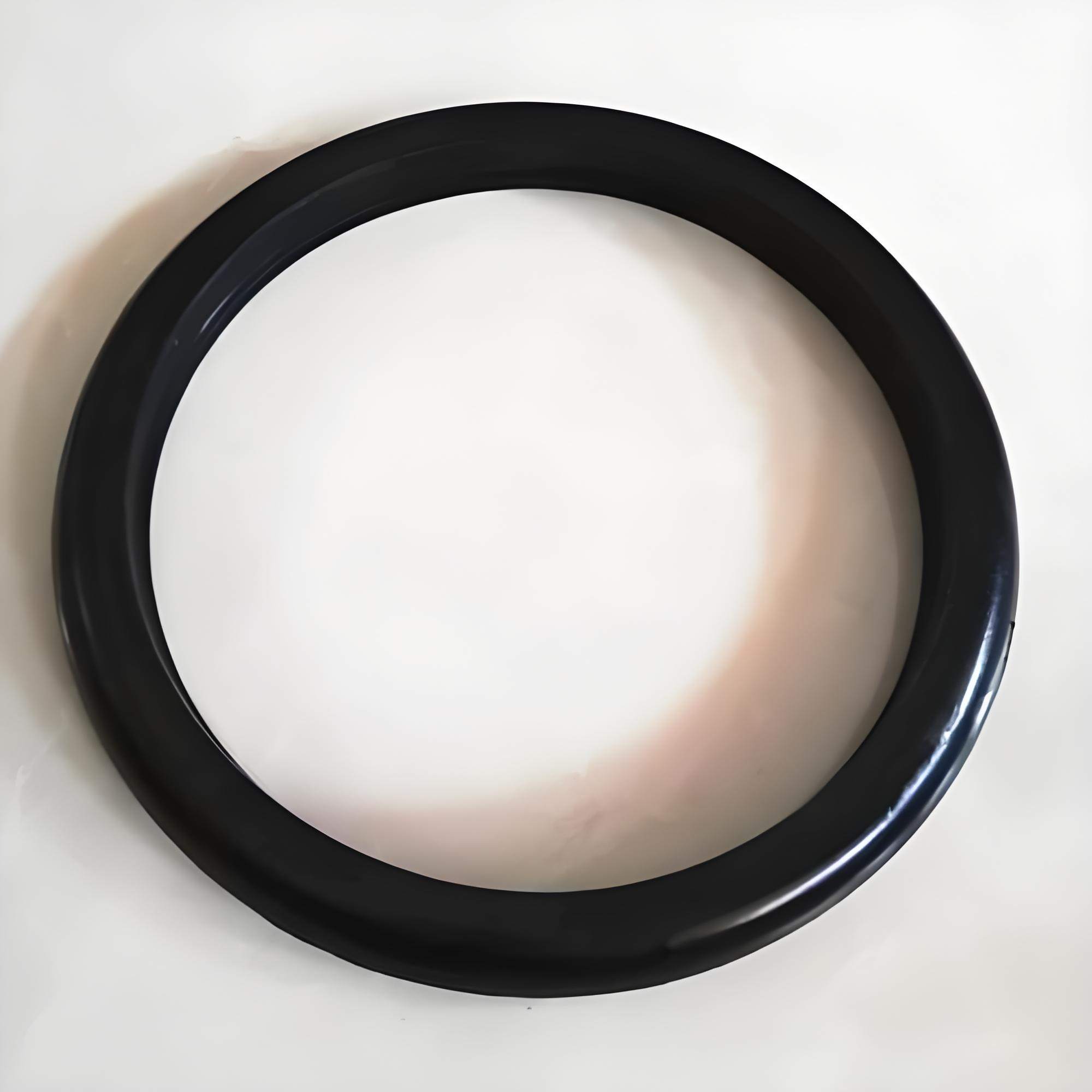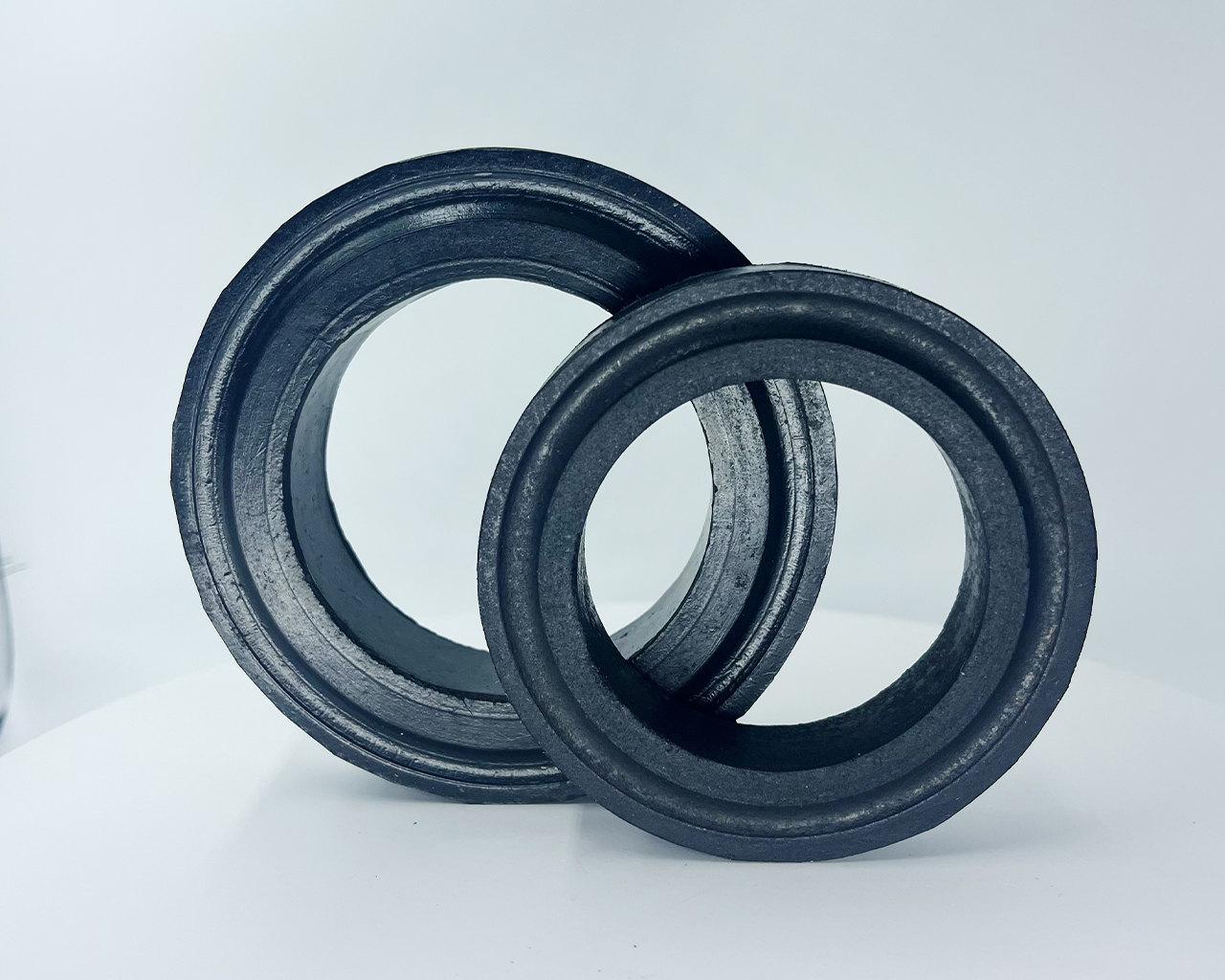
**Title: Flexible Pump Impeller: Elastic Body Technology Empowers Efficient Fluid Transport**

In modern industrial and civilian fluid transportation systems, the performance of pumps often depends on the design and manufacturing process of the core rotating component - the impeller. Among them, the impeller of the flexible pump, as a key component of the flexible pump (also known as the flexible rotor pump or flexible impeller pump), is increasingly receiving attention in various application fields due to its unique elastic structure and flexible operation mode.
**Unique design: Elastic blades achieve smooth conveying**
The impeller of the flexible pump is made of high-performance elastic material, and the blades undergo regular bending deformation in the pump chamber with the rotation of the rotor. When the blade passes through the eccentric part of the pump body, the blade bends, the chamber volume decreases, and the fluid is smoothly discharged; When the blade returns to its original state, the cavity volume increases and liquid is sucked in. This process does not require complex valve structures and can achieve continuous, low pulsation liquid transportation, especially suitable for situations where stable liquid channels are needed.
**Typical applications: from industrial pumps to marine and food grade scenarios**
Due to its excellent self-priming ability and adaptability to media containing solid particles, flexible pumps have been widely used in multiple industries
-* * Pump system * *: Used for general industrial water supply, drainage, and circulation systems.
-Marine engine seawater pump: It stably delivers seawater in marine environments for cooling the engine.
-* * Food processing field * *: such as bean dregs and soybean milk self-priming pumps, which can gently handle granular or viscous materials to avoid shearing damage to the material structure.
In addition, flexible pumps are also common in low-pressure lubricating oil circulation, small-scale chemical transportation and agricultural spray equipment.
**The engineering relationship between impeller diameter and head**
In the design and selection of flexible pumps, impeller diameter is a crucial parameter. Engineering experience has shown that:
-The larger the impeller diameter, the higher the pump head is usually. This is because the larger outer diameter of the impeller increases the centrifugal force exerted by the blades on the liquid, thereby increasing the outlet pressure and conveying height.
-The smaller the impeller diameter, the lower the pump head, but it may result in lower power consumption and higher speed adaptability.
Therefore, selecting the impeller diameter reasonably under specific operating conditions can achieve the optimal balance between head, flow rate, and energy consumption.
**Outlook**
With the advancement of elastomer material science and the improvement of manufacturing processes, flexible pump impellers will demonstrate their reliability under more demanding working conditions. Our company will continue to optimize the impeller profile design and material formula, providing customers with more efficient and durable fluid transportation solutions.
If you have any questions or needs, please feel free to contact us at any time.
**Title: High Performance Bearing Dust Cover: Building Reliable Protective Barriers for Mechanical Equipment**
**Analysis of the technical advantages and industrial applications of the company's rubber roller products**
Related Article
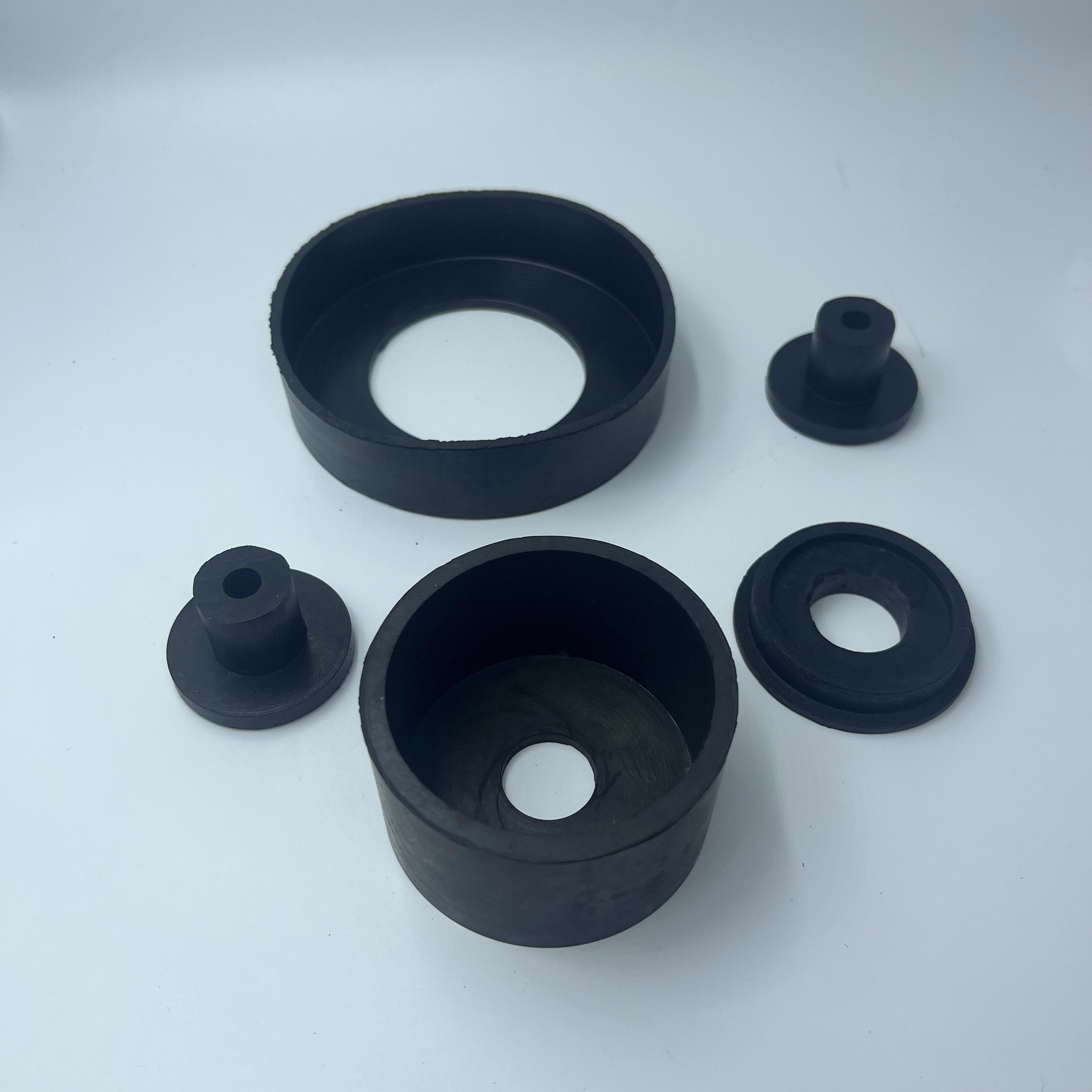

Mechanical equipment: such as water pumps, fans, compressors, chillers, diesel generators, etc